MONARCH WEEKLY BRIEF

Storage. Safety. What matters this week.

THE WEEK IN WAREHOUSING

Week ending Friday
20 November 2026

This week’s clearest operational lesson is to treat storage, automation and energy as one system: ownership strategy, load securing, charging capacity, live-warehouse integration and inventory control all shape safe, scalable performance.

Coverage: 13 Nov 2026, 16:00–20 Nov 2026, 16:00 GMT
Published 20 November 2026, 16:09 GMT · Revision 1

Organised containers on racks inside a warehouse
Illustrative stock photograph · Robert Jeffrey Bonto / Pexels

01 / new and used pallet racking

Whittan Group announces sale of Polypal Europe to Ohmnia

Warehouse & Logistics News · 16 November 2026

Whittan Group, described as the UK’s largest storage-equipment manufacturer, has sold its European business Polypal Europe to Spanish industrial technology group Ohmnia. Whittan says the transaction will concentrate resources and investment on its core UK market while the companies continue working together to protect customer continuity. Polypal designs, manufactures and installs pallet racking and related storage equipment in more than 30 countries, with manufacturing in Bizkaia and operations across several European markets. The business has belonged to Whittan since 2002. The announcement does not disclose financial terms, so its strategic significance rests on the stated change in ownership and UK focus.

Why it matters

A sharper UK focus from a major storage-equipment manufacturer could influence domestic investment, product support and supplier choices for racking customers.
Read the original article (opens in a new tab)
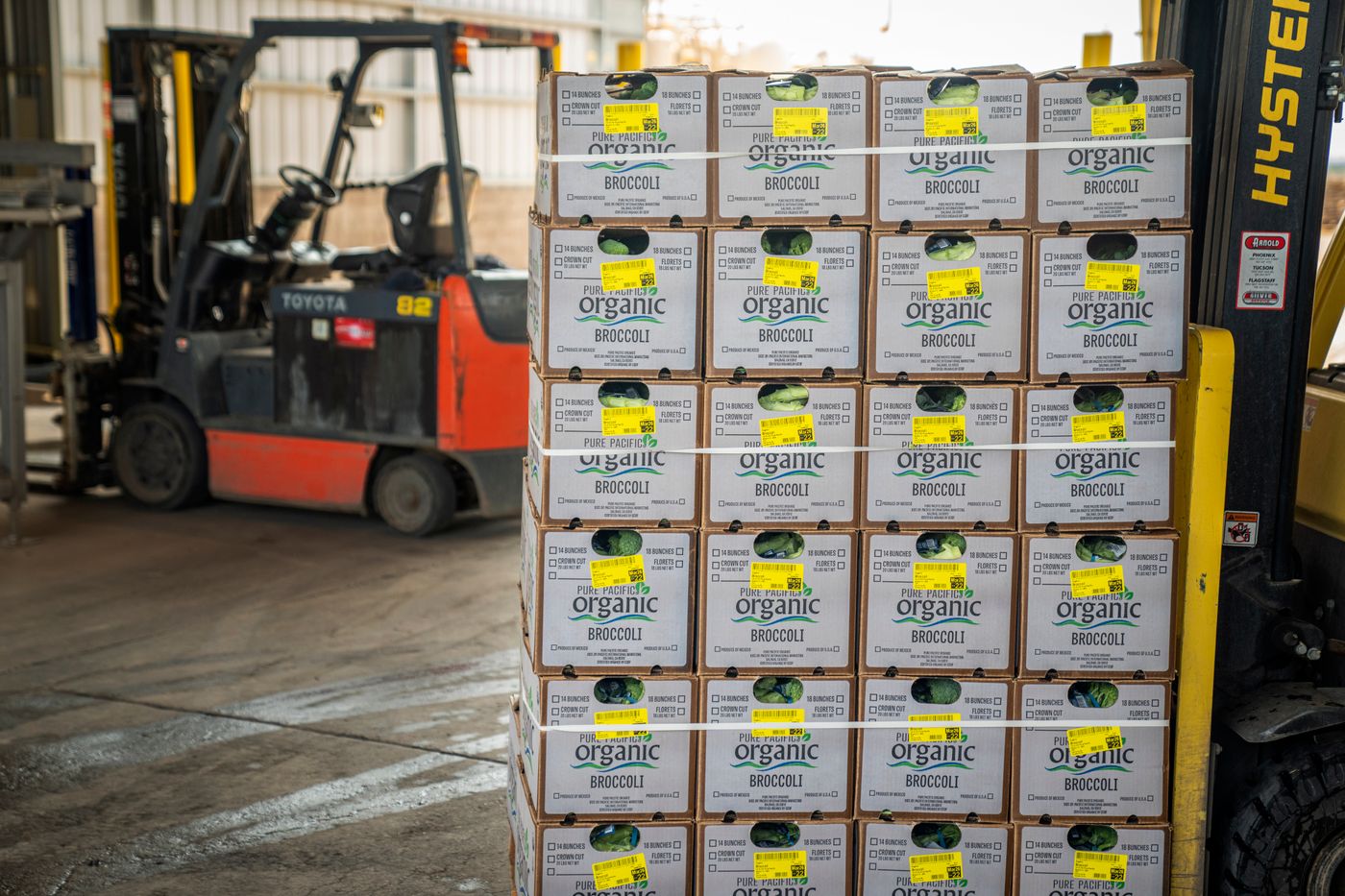
Palletised cartons stacked beside a forklift in a warehouse
Illustrative stock photograph · Mark Stebnicki / Pexels

02 / directly relevant UK pallet logistics

Wessex Packaging appointed official UK distributor and partner for Innova Group

Warehouse & Logistics News · 16 November 2026

Wessex Packaging has become Innova Packaging Solutions’ official UK distributor, giving British manufacturers and logistics operators local access to automated pallet wrapping, strapping, stretch-hood and integrated end-of-line systems. Wessex will provide process audits, trials, line design, installation, commissioning, training and ongoing support rather than machinery supply alone. The supplier says Innova’s automatic vertical strapping machine can process up to 60 pallets an hour, while lateral movement permits multiple straps without repositioning the load. These are vendor claims, but the partnership widens UK access to supported load-securing automation and offers operators a route to assess safety, throughput, material use and space before investing.

Why it matters

Local design and after-sales support can reduce implementation risk when warehouses automate pallet securing at the end of packing lines.

Read the original article (opens in a new tab)
An unoccupied blue forklift in a warehouse
Illustrative stock photograph · Alex Urezkov / Pexels

03 / warehouse storage and efficiency

Future-Proofing the Warehouse: Why Charging Infrastructure Is Becoming a Strategic Asset

Warehouse & Logistics News · 17 November 2026

Warehouse & Logistics News argues that forklift charging should be planned as core infrastructure as warehouses electrify and automate. Electrically powered trucks, mobile robots, automated storage systems, conveyors and IT can increase peak demand and expose sites whose electrical capacity was designed for simpler operations. The article recommends coordinated charging rather than merely faster chargers: opportunity charging during pauses, management platforms that stagger demand, and integration with solar generation and battery storage. It also notes that grid upgrades can be slow and outages can stop highly automated facilities. The analysis is forward-looking, so predicted benefits should be tested against each site’s workload, tariffs, resilience needs and available power.

Why it matters

Energy planning now affects equipment availability, automation resilience and whether a warehouse can expand without expensive power bottlenecks.

Read the original article (opens in a new tab)
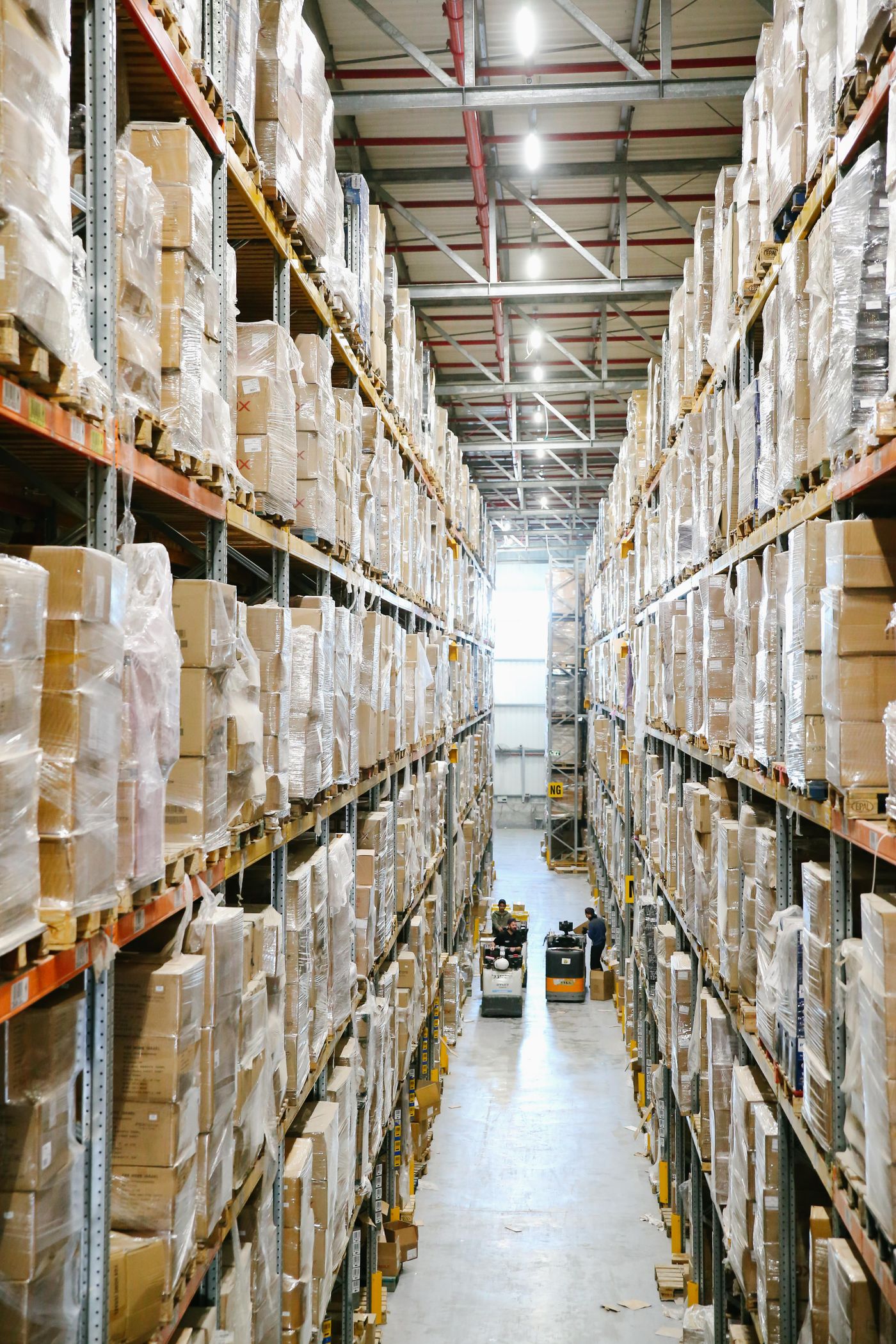
A warehouse aisle lined with shelves of stored boxes
Illustrative stock photograph · Maor Attias / Pexels

04 / warehouse storage and efficiency

Jungheinrich automates material handling at Tsubakimoto Europe in Dordrecht

Warehouse & Logistics News · 17 November 2026

Jungheinrich will automate internal transport at Tsubakimoto Europe’s Dordrecht operation with two EKS 215a mobile robots while retaining the existing narrow-aisle warehouse. The vehicles will connect goods receipt, 48 pick-and-drop points at the racking, production and an outbound conveyor across five stations and roughly 130 metres of travel. They are intended for two-shift operation, with automatic lithium-ion charging and a three-dimensional obstacle scanner for mixed traffic. Custom load carriers and a warehouse-management-system interface are also part of the project. Although the installation is in the Netherlands, its phased integration into a live manual warehouse offers a directly relevant model for UK operators.

Why it matters

The project shows how automation can be introduced around existing racking and workflows without requiring a wholesale warehouse rebuild.

Read the original article (opens in a new tab)
Industrial loading bays and closed dock doors in sunlight
Illustrative stock photograph · Matthew Jackson / Pexels

05 / warehouse storage and efficiency

Walbusch Transforms Logistics Operations to Support Omnichannel Growth with Infios

Warehouse & Logistics News · 19 November 2026

German apparel retailer Walbusch has expanded its Infios warehouse-management system to combine B2B and B2C fulfilment at its 76,000-square-metre Ravenna Park site. Infios reports 99.99% inventory accuracy, 97% on-time shipment performance and capacity for 25,000 daily shipments, 6.5 million parcels a year and 250,000 storage locations. The shared system logic keeps brands and clients distinct while coordinating automation including triple-deep shuttles, conveyors, picking equipment and sorters. These performance figures are supplier-reported, but the case shows how an established WMS can be developed iteratively rather than replaced wholesale when an operation adds channels, automation and more variable order profiles.

Why it matters

UK operators facing mixed wholesale and e-commerce demand can use the case to evaluate staged WMS upgrades, inventory controls and automation integration.

Read the original article (opens in a new tab)