MONARCH WEEKLY BRIEF

Storage. Safety. What matters this week.

THE WEEK IN WAREHOUSING

Week ending Friday
23 October 2026

This week’s clearest theme is extracting more from existing warehouse space and infrastructure: denser racking, phased automation, better WMS visibility and more disciplined capacity decisions.

Coverage: 16 Oct 2026, 16:00–23 Oct 2026, 16:00 BST
Published 23 October 2026, 16:06 BST · Revision 1

An unoccupied blue forklift in a warehouse
Illustrative stock photograph · Alex Urezkov / Pexels

01 / Pallet racking and warehouse efficiency

ALF Aquatic Distributors streamline operations

Warehouse & Logistics News · 17 October 2026

Bedford-based ALF Aquatic Distributors replaced part of its conventional drive-in racking with nine Toyota Radioshuttle lanes after a pilot focused on wasted movement, difficult access and stock rotation. Automated pallet movement now brings loads to the rack face, while the ground level remains accessible to hand pallet trucks. Pallet capacity stayed broadly similar, but access, replenishment and control improved, reducing the risk of time-sensitive aquatic products approaching expiry. ALF deliberately tested the system in live operations before wider investment and now plans further radioshuttle and racking installations across the warehouse.

Why it matters

The pilot shows how changing pallet access rather than expanding floor area can improve stock control and release operational capacity.
Read the original article (opens in a new tab)
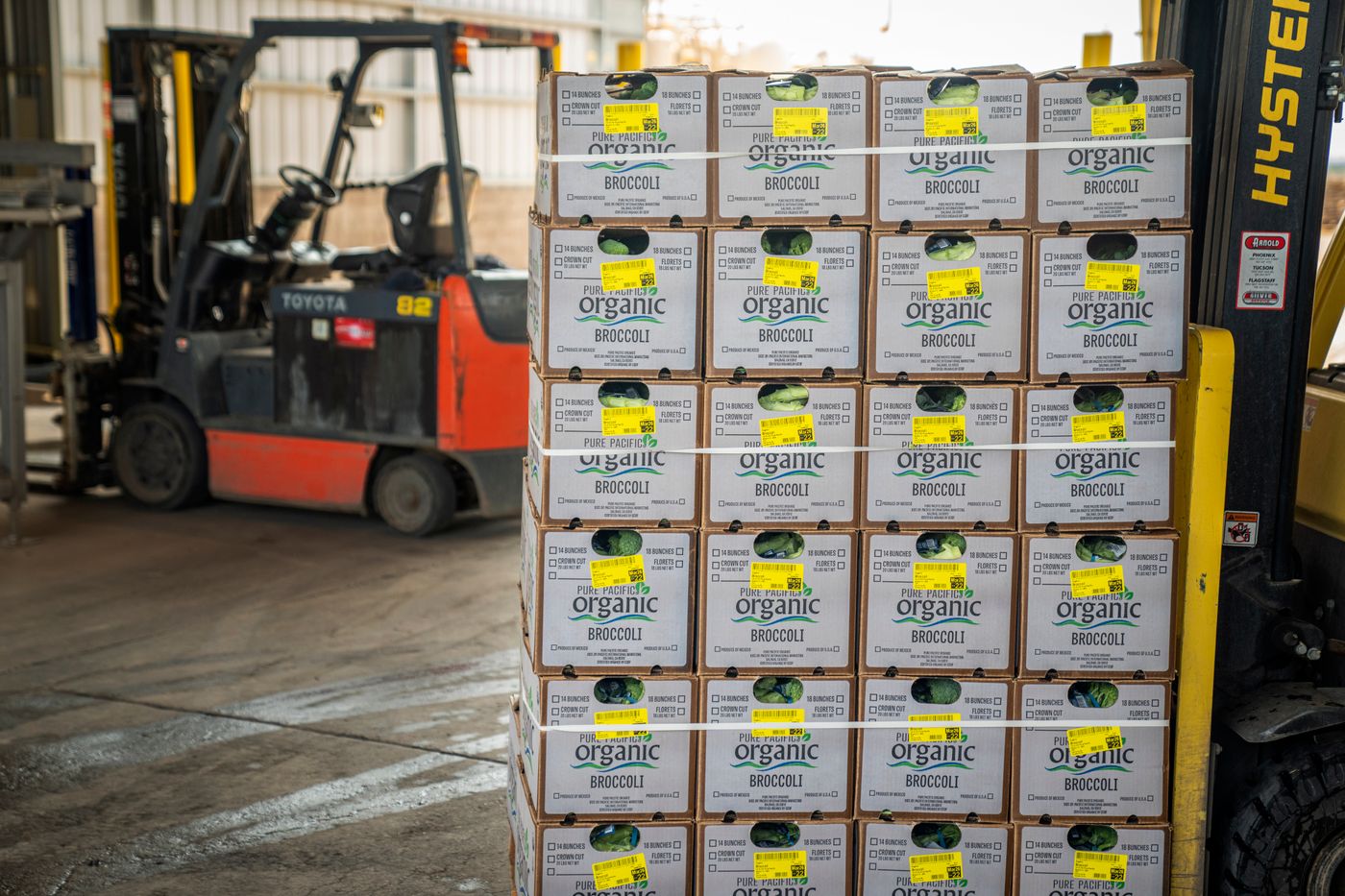
Palletised cartons stacked beside a forklift in a warehouse
Illustrative stock photograph · Mark Stebnicki / Pexels

02 / Cold storage and space efficiency

How Combilift helps cold stores do more with less

Warehouse & Logistics News · 17 October 2026

Cold stores can create capacity without expanding their buildings by combining narrower aisles, greater rack height and equipment designed for low-temperature work, according to Combilift. The supplier says articulated trucks can work in aisles as narrow as 1.6 metres and reach 15 metres, while truck-to-rack handling reduces double movement. Case evidence includes a Co. Tyrone seafood distributor that says usable freezer space rose from about half to 85%. The article also highlights condensation protection, heated cabs and pedestrian stackers intended to improve reliability, operator comfort and safety in confined freezer aisles.

Why it matters

Every unproductive cubic metre still consumes refrigeration energy, so layout and truck choice directly affect cold-store capacity and operating cost.

Read the original article (opens in a new tab)
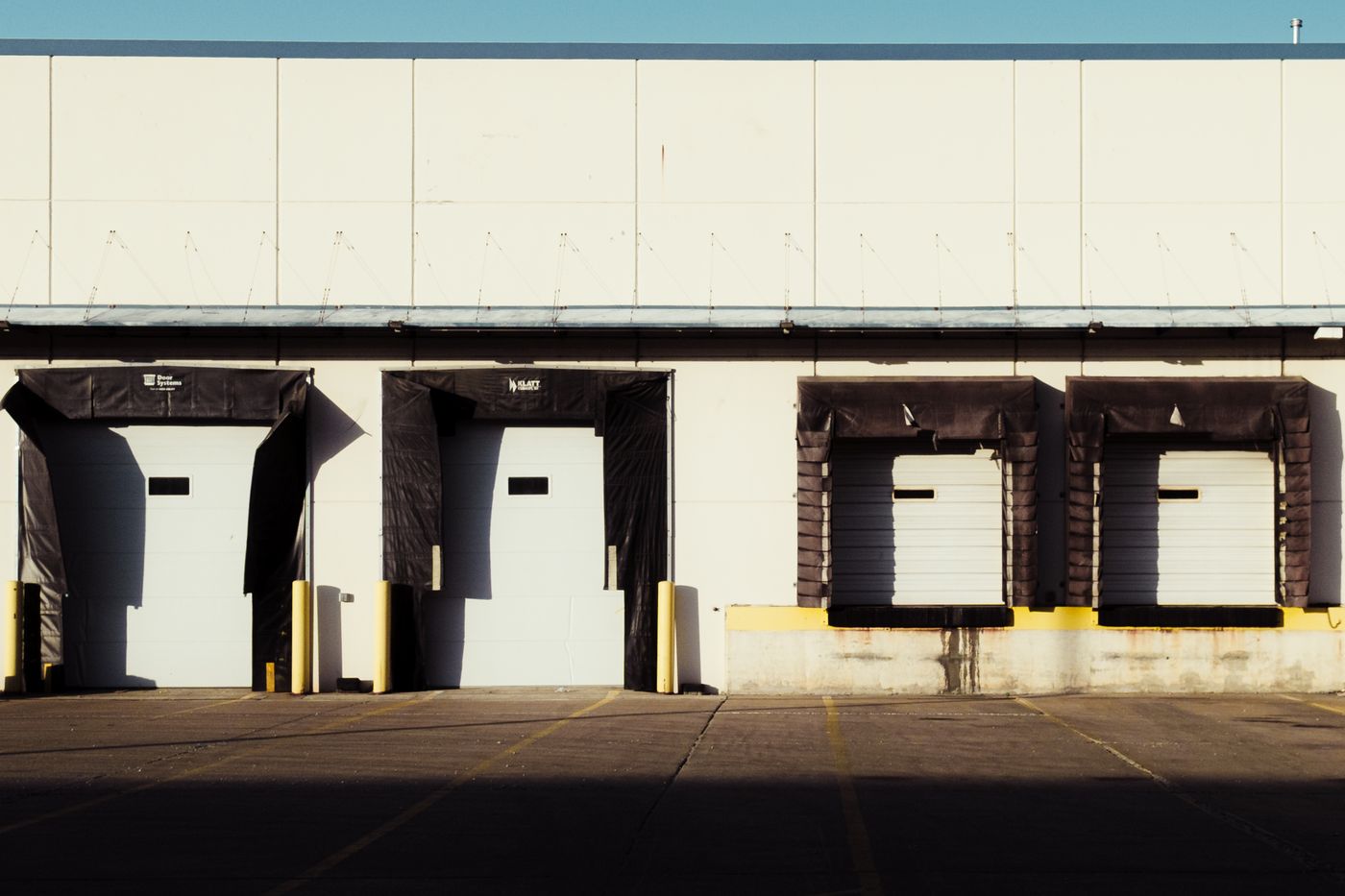
Industrial loading bays and closed dock doors in sunlight
Illustrative stock photograph · Matthew Jackson / Pexels

03 / Warehouse management and efficiency

THOMAX gains UK momentum as Miniclipper passes two-thirds mark in WMS rollout

Warehouse & Logistics News · 20 October 2026

UK 3PL Miniclipper Logistics has moved its fourth warehouse onto the THOMAX cloud warehouse-management platform, leaving two of six sites to complete by the first quarter of 2027. The Dunstable go-live follows deployments in Burton-on-Trent and Leighton Buzzard. Miniclipper says its fulfilment operation can process roughly one order every five seconds at peak and see up to a month of forward demand. The phased rollout was chosen to protect service levels while adding e-commerce, kitting and customer ERP integration. The first implementation reportedly went live within four months of contract signature.

Why it matters

A phased WMS rollout provides a practical model for standardising multi-site operations without exposing every warehouse to change at once.

Read the original article (opens in a new tab)
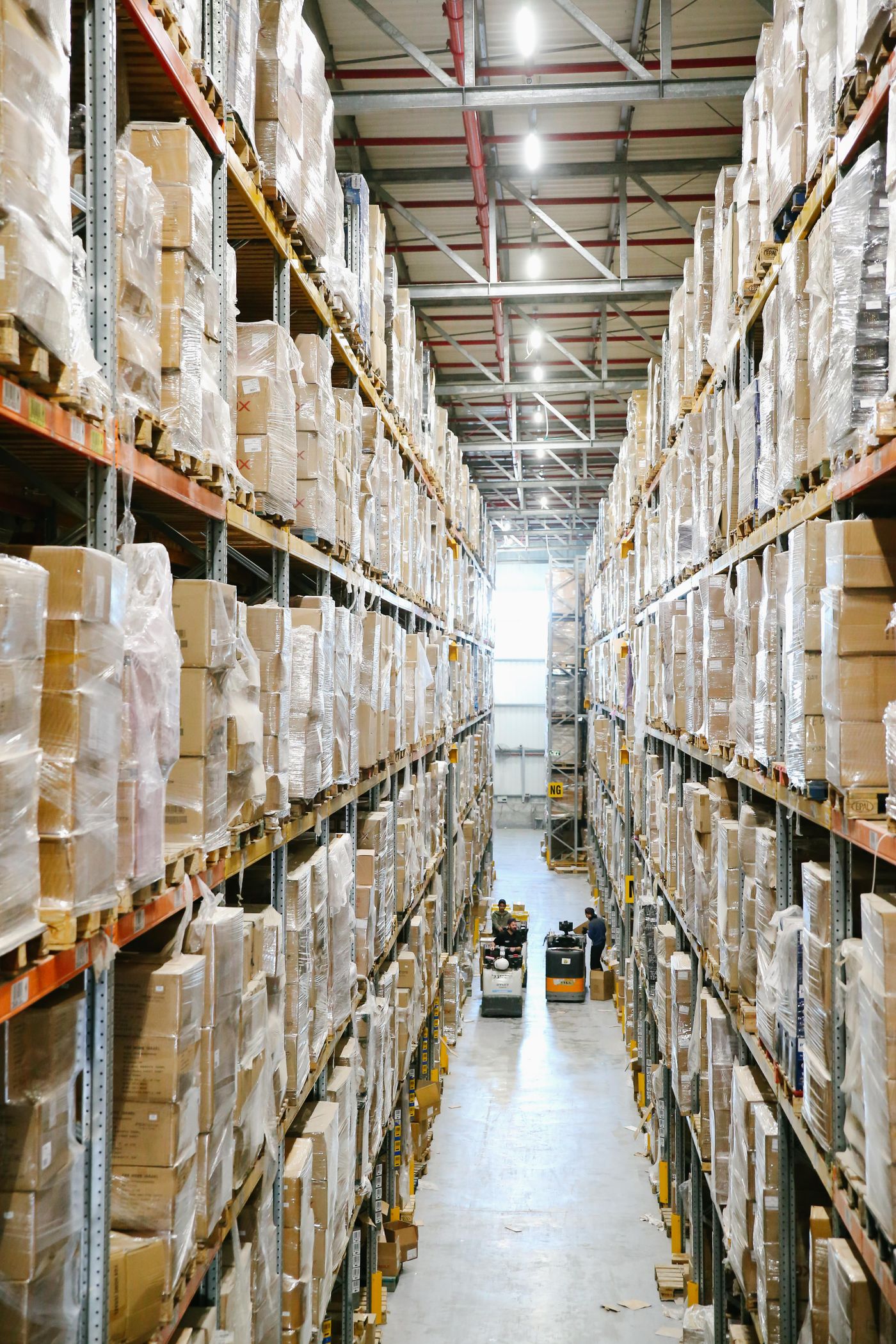
A warehouse aisle lined with shelves of stored boxes
Illustrative stock photograph · Maor Attias / Pexels

04 / Pallet movement and warehouse automation

ALS Mechatronic partners with iRayple to expand autonomous mobile robot offering

Warehouse & Logistics News · 21 October 2026

ALS Mechatronic has agreed to resell and integrate iRayple autonomous mobile robots for UK factories, warehouses and processing plants. The range includes under-load robots and forklift-style AMRs for pallet movement and stacking. ALS says it can connect the robots with machinery, conveyors and docking stations, and provide installation, commissioning, training and support. Its new mapping tool assesses layouts, routes, load data, turns, docking, peak throughput, charging and delay assumptions before recommending robot types and fleet size. That emphasis on documented operating assumptions is intended to reduce under-specification and give customers a clearer basis for investment.

Why it matters

Careful route and throughput modelling helps operators judge whether AMRs will integrate safely and deliver the required pallet movements before capital is committed.

Read the original article (opens in a new tab)
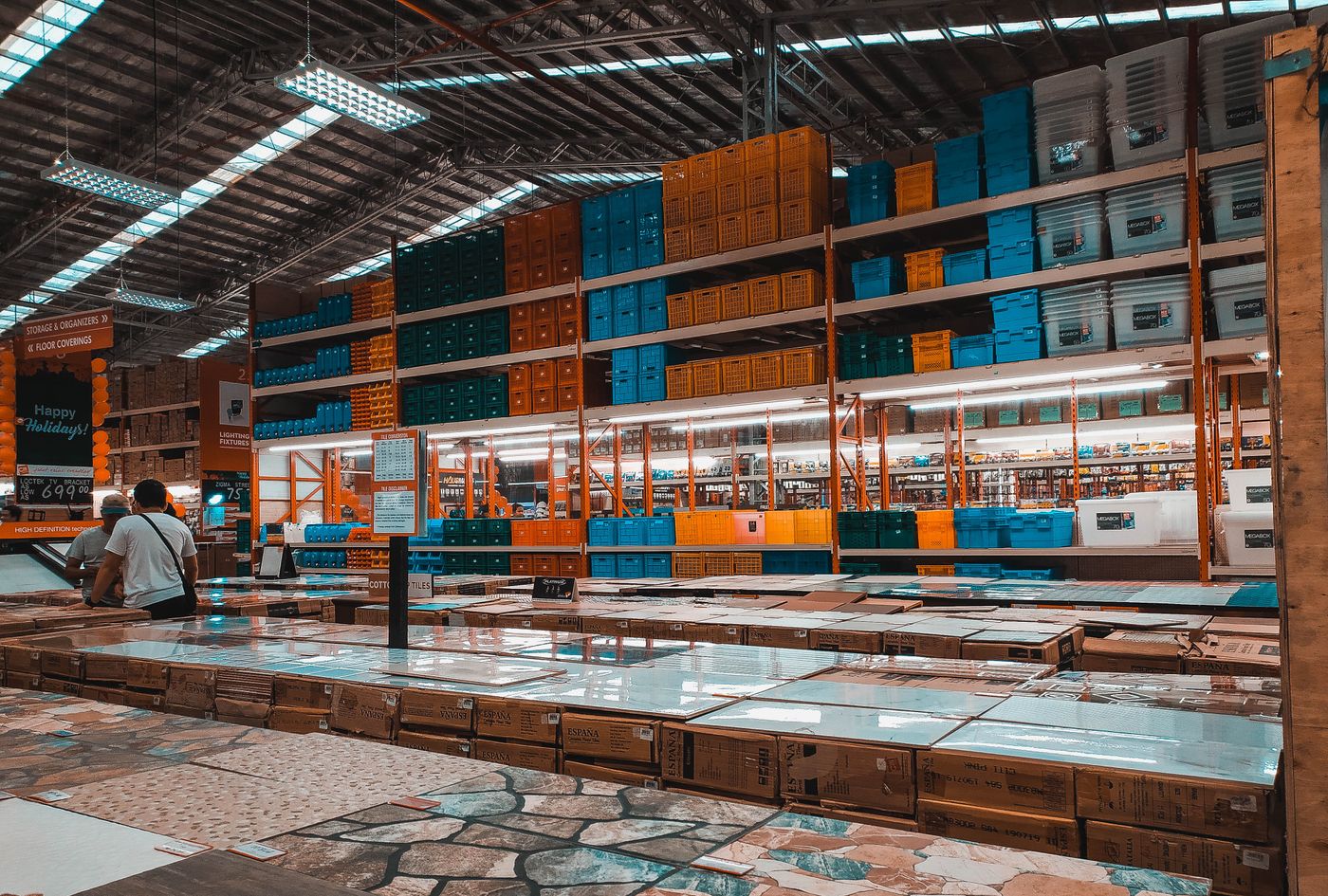
Organised containers on racks inside a warehouse
Illustrative stock photograph · Robert Jeffrey Bonto / Pexels

05 / UK warehouse capacity

Growth in online retail reinforces UK Big Box market, report suggests

Logistics Manager · 20 October 2026

Avison Young analysis reported 18.8 million sq ft of UK Big Box logistics take-up in the first three quarters of 2026, only 5.5% below the comparable 2025 period. A further 8.3 million sq ft was under offer, which could take the annual total beyond 2025’s 22.6 million sq ft if completed. Third-party logistics operators accounted for 53% of third-quarter take-up and retailers another 29%. Activity was concentrated in the Midlands, although the adviser said higher fuel, energy, transport and borrowing costs were lengthening decisions even as demand for well-located warehousing remained resilient.

Why it matters

The figures help storage suppliers and warehouse operators gauge where expansion demand remains strongest and why projects may take longer to approve.

Read the original article (opens in a new tab)